The History of Jewelry & Gemstones
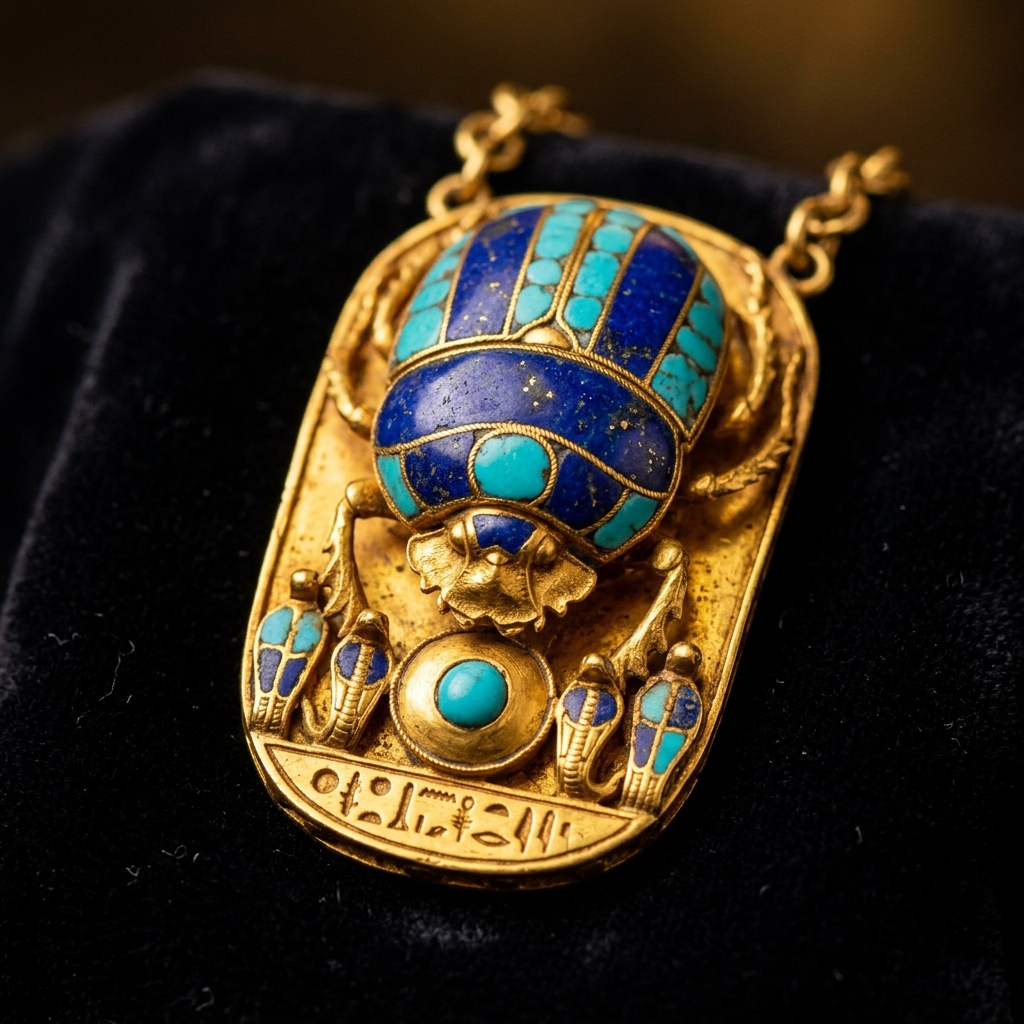
What is the history of jewelry? The history of jewelry spans over 75,000 years, beginning with prehistoric societies using drilled sea shells and animal teeth for personal adornment. As civilizations evolved, particularly in Ancient Egypt, the craft elevated into a sacred art form utilizing precious metals like gold and vibrant gemstones such as lapis lazuli and turquoise.
For thousands of years, humans have sought to adorn themselves with elements of the earth. From simple shell necklaces crafted in the Middle Stone Age to the magnificent diamond-encrusted crowns of European dynasties, jewelry has served as more than mere ornament. It is a symbol of power, a repository of spiritual protection, and a testament to the heights of human artistry and the profound ways we express our personal and cultural identity through adornment.
🏺 Ancient Beginnings & Personal Adornment
Before the discovery of metallurgy, prehistoric societies utilized organic materials to create personal decorations. Natural treasures like sea shells, animal teeth, bird bones, and colorful pebbles were drilled and strung. These early artifacts, dating back over 75,000 years, suggest that the desire for decoration is deeply woven into the human psyche. It served as a means of tribal identification, social ranking, and magical charms to ward off predators or natural forces.
👑 The Golden Dynasties of Egypt
The civilization of Ancient Egypt elevated jewelry making to a sacred art. Gold, representing the flesh of the gods, was mined extensively and crafted into elaborate necklaces, collars, bracelets, and pectorals. The Egyptians favored vibrant color contrasts, pairing bright gold with semi-precious stones:
- Lapis Lazuli: Representing the night sky and the heavens.
- Turquoise: Denoting new life, growth, and the flowing Nile.
- Carnelian: A red stone evoking blood, energy, and protection.
Scarabs, representing rebirth, were carved from these stones and placed over the hearts of mummies, demonstrating that jewelry was meant to accompany souls into the afterlife. The techniques and symbolism established in Egypt heavily influenced surrounding cultures and set a standard for craftsmanship that endured for millennia.
💎 The Science of Precious Gemstones
Gemstones are minerals selected for their beauty, durability, and rarity. In the ancient world, gems were valued for their raw color and supposed mystical properties. Today, their value is governed by chemical and physical qualities. The classification and evaluation of gemstones have evolved into the complex science of gemology, ensuring that stones are assessed accurately for the market.
The Mohs Scale of Hardness
Developed by Friedrich Mohs in 1812, this scale ranks minerals from 1 (talc) to 10 (diamond) based on scratch resistance. Only a mineral of equal or greater hardness can scratch another, which determines a gemstone's suitability for everyday wear in rings and bands.
🌍 The Renaissance of Adornment in Europe
During the Renaissance, jewelry design became intensely elaborate, reflecting the immense wealth generated by global exploration and trade. New cutting techniques, such as the rose cut, allowed diamonds to sparkle brilliantly by candlelight. Goldsmiths like Benvenuto Cellini treated jewelry as miniature sculpture, integrating pearls and precious gems into figurative, mythologically-themed masterpieces that adorned the nobility of Europe.
⚙️ The Industrial Revolution and Modern Jewelry
The Industrial Revolution brought about mass production, making jewelry accessible to the burgeoning middle class. However, this also sparked a counter-movement: the Arts and Crafts and Art Nouveau movements, which emphasized handcrafted uniqueness and nature-inspired motifs over machine-made uniformity. Today, modern jewelry continues to balance technological advancements with a reverence for traditional artisan techniques, continually redefining what constitutes personal adornment.
❓ Frequently Asked Questions About Gemstone History
- What is the oldest piece of jewelry?
- The oldest known pieces of jewelry are marine snail shells found in a cave in Morocco, dating back approximately 150,000 years. These shells were deliberately pierced to be worn as beads.
- Why are diamonds considered so valuable?
- Beyond their stunning optical properties, diamonds are incredibly durable. As a 10 on the Mohs Scale of Hardness, their resistance to scratching makes them ideal for daily wear. Their value was also historically inflated by strategic marketing and control of supply.
⚜️ Explore Our Historic Collections
Dive deeper into the mystical origins and historical journeys of the world's most desired treasures. Our historic collections showcase stunning pieces inspired by centuries of royal tradition and masterful craftsmanship.
- Emeralds: Cleopatra's Green Obsession - Tracing the beryl mines of Ancient Egypt and the royal crowns of the Spanish Empire.
- Diamonds: Fire, Hardness, and Royalty - Discovering how the Golconda mines of India supplied the world with diamonds before the South African rush.
