Emeralds: Cleopatra's Green Obsession
Tracing the green beryl gemstone from the ancient Egyptian mines to classical Greek talismans.
What is the history of emeralds? The history of emeralds spans millennia, beginning with the ancient Egyptian mines of Mount Smaragdus, famously claimed by Queen Cleopatra. These precious green beryl gemstones later captivated the world when Spanish conquistadors discovered the Muzo and Chivor mines in Colombia, establishing a global trade route that brought the finest emeralds to European and Ottoman royalty.
Emerald, the lush green variety of the mineral beryl, has been prized as a gemstone of unparalleled royalty and spiritual power for thousands of years. With a hardness of 7.5 to 8 on the Mohs scale, its deep green hue is uniquely caused by trace amounts of chromium and vanadium within its crystal structure. Beyond its physical properties, the emerald represents rebirth, fertility, and eternal youth across various ancient civilizations.
🇪🇬 The Lost Mines of Egypt
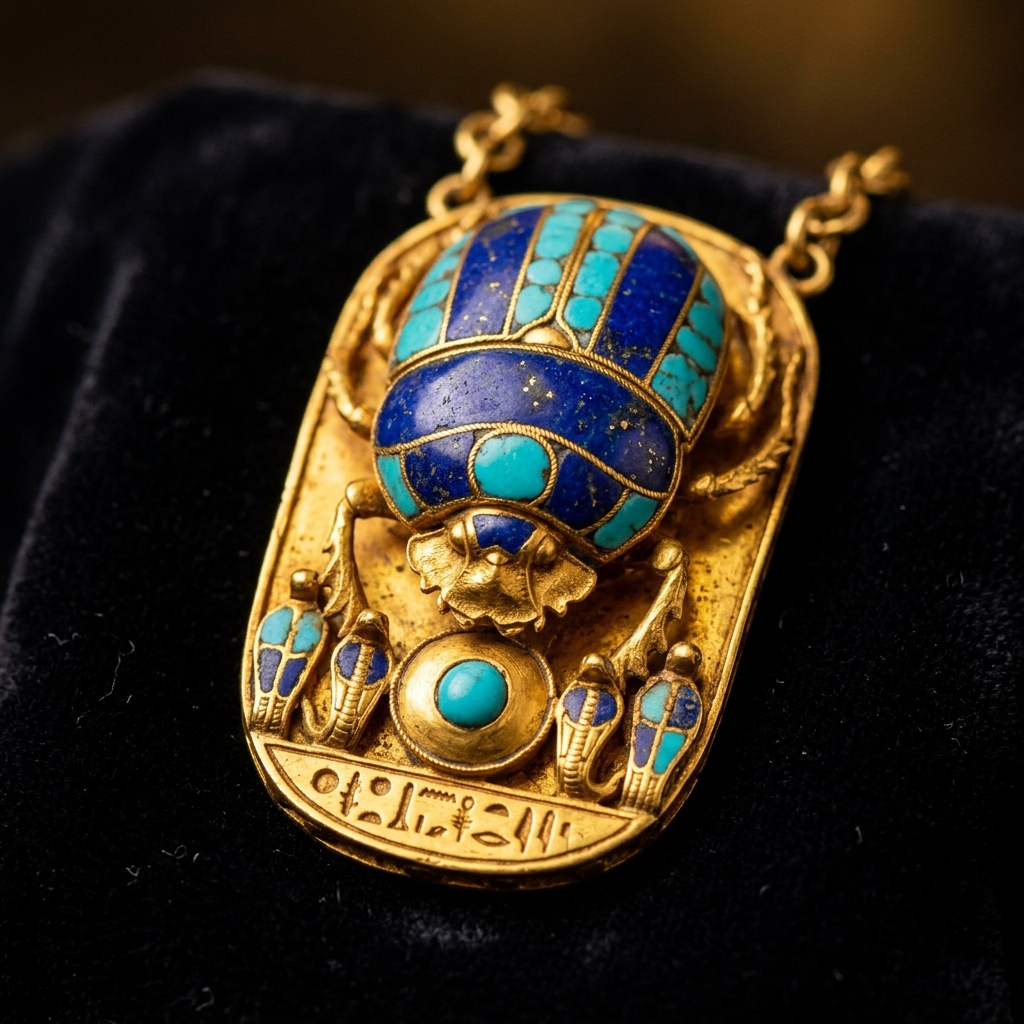
The earliest recorded emerald mines were located in the Eastern Desert region of Egypt, near Mount Smaragdus. These ancient mines were active as early as 1500 BCE, providing stones that were highly revered by the pharaohs. Queen Cleopatra was famously obsessed with emeralds, claiming the mines as her personal property and presenting favored guests with royal portraits intricately engraved on emerald stones. The Egyptians strongly associated the vibrant green color with fertility, rebirth, and eternal youth, embedding the gemstone into their cultural and spiritual identity. The stones mined here, while sometimes heavily included, laid the foundation for the global emerald trade.
🌎 The Spanish Conquest & Colombian Treasures
When Spanish conquistadors arrived in South America in the 16th century, they encountered the Muzo and Chivor tribes, who possessed emeralds of unprecedented size, clarity, and intense color. The Spaniards seized these rich Colombian mines, triggering a massive global trade route that brought exquisite emeralds to the royal houses of Europe and the wealthy Ottoman Empire. These New World gemstones were far superior to the Egyptian stones in both transparency and color saturation. To this day, Colombia remains the premier source of the world's finest emeralds, coveted globally for their pure green fire and minimal inclusions.
👑 Emeralds in European Royalty
The influx of Colombian emeralds into Europe during the 16th and 17th centuries revolutionized royal jewelry. European monarchs and aristocrats adorned themselves with massive emerald pendants, tiaras, and brooches to signify wealth and divine favor. The gemstone became a centerpiece in the Crown Jewels of numerous empires, solidifying its status as the ultimate symbol of opulence. This enduring legacy continues to influence modern fine jewelry design, where high-quality emeralds often fetch prices rivaling those of flawless diamonds.
🌟 Famous Emeralds in History
Throughout the ages, several individual emeralds have achieved legendary status due to their immense size and impeccable quality. The Chalk Emerald, a staggering 37.82-carat gemstone originating from Colombia, is renowned for its velvety rich green color and is currently housed in the Smithsonian National Museum of Natural History. Another iconic piece is the Duke of Devonshire Emerald, an enormous uncut, hexagonal crystal weighing over 1,383 carats, which perfectly exemplifies the natural crystalline structure of beryl. These historical marvels continue to inspire awe and serve as the benchmark for gemological perfection, reminding us why this precious stone remains an enduring symbol of natural beauty.
🔍 Modern Emerald Gemology
In contemporary gemology, evaluating an emerald involves assessing its color, clarity, cut, and carat weight. The most desirable emeralds exhibit a vivid, highly saturated bluish-green hue. Because natural emeralds typically contain inclusions—often romantically referred to as the internal "jardin" (garden)—clarity enhancement through cedar oil or synthetic resins is a universally accepted industry practice. Understanding these treatments is crucial for gem collectors and fine jewelry enthusiasts alike.
Frequently Asked Questions About Emeralds
Where do the best emeralds come from?
Historically and currently, Colombia is renowned for producing the world's finest emeralds, particularly from the Muzo, Chivor, and Coscuez mines. These stones are celebrated for their exceptional pure green to bluish-green color and remarkable clarity.
Are emeralds harder than diamonds?
No, emeralds are not harder than diamonds. Diamonds rank a 10 on the Mohs scale of mineral hardness, making them the hardest natural substance. Emeralds rank between 7.5 and 8, making them durable for jewelry but requiring more careful handling due to their natural inclusions and lower toughness.
Why did Cleopatra love emeralds?
Queen Cleopatra loved emeralds because, in ancient Egyptian culture, the deep green color of the gemstone symbolized fertility, rebirth, immortality, and power. She believed the stones held spiritual significance and actively claimed ownership of all emerald mines in Egypt.
From the sun-scorched deserts of ancient Egypt to the lush, mountainous terrains of Colombia, the journey of the emerald is a testament to humanity's enduring fascination with beauty and power. Whether set in a royal crown or a modern engagement ring, this remarkable green beryl continues to captivate hearts with its rich history and undeniable elegance.
Royal Adornments & Historical Gemology Curatorial Board
Our curatorial panel researches historical royal provenance, antique lapidary cuts, precious metal hallmarking archives, and scientific gemological origins.
Researching Antique Jewelry Provenance?
Consult our historical hallmark archives, period maker records, and gemological monograph collection.